Doctor busts top six cholesterol myths
Good fat, bad fame: Doctor debunks six biggest myths about cholesterol
For years, cholesterol has been blamed for causing heart attacks and strokes. People have been told to avoid fat, skip eggs, and eat only “low-fat” food. But experts now say that cholesterol is not always harmful — in fact, our body needs it to function properly. The real problem begins when there’s an imbalance between good and bad cholesterol.
In India, more young adults are developing high cholesterol and heart problems. Dr Ravi Malik, MBBS, MD (Paediatrics), and Medical Director at Malik Radix Healthcare, says that it’s time to stop fearing cholesterol and start understanding it. He explains six common myths that continue to confuse people about what’s good and bad for the heart.
Myth 1: All cholesterol is bad
This is one of the biggest misunderstandings. Cholesterol helps the body build healthy cells, produce hormones, and make vitamin D and bile acids for digestion. It’s not cholesterol itself that’s dangerous — it’s the imbalance between its types.
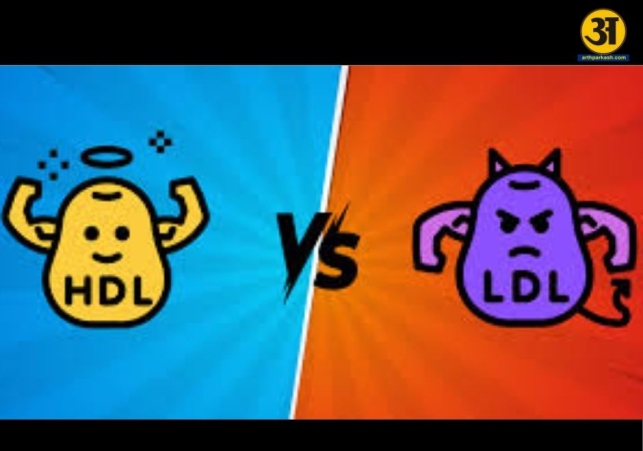
Good cholesterol, called HDL (High-Density Lipoprotein), clears extra cholesterol from the blood and carries it to the liver to be flushed out. Bad cholesterol, known as LDL (Low-Density Lipoprotein), causes fatty deposits to form in the arteries, which can block blood flow and increase the risk of heart disease.
As Dr Malik explains, “Cholesterol is not the enemy. The real problem is when bad cholesterol rises and good cholesterol drops.” The goal should be to maintain balance — not to completely remove cholesterol from the diet.
Myth 2: Eggs are bad for your heart
Eggs have been unfairly blamed for decades, but they aren’t the villains people think they are. “The cholesterol in your diet doesn’t directly raise your blood cholesterol,” says Dr Malik. The liver makes most of the cholesterol in your body and adjusts how much it produces depending on what you eat.
This means that eating eggs in moderation is safe for most people. The real problem is not the egg but what’s cooked with it — butter, cheese, or fried sides. A boiled or poached egg is healthy, while a deep-fried egg sandwich full of oil and mayonnaise is not. Moderation is key.
Myth 3: Only overweight or older people have high cholesterol
Many believe cholesterol is a concern only for people who are overweight or elderly. That’s far from the truth. “Even slim, active people can have high cholesterol,” says Dr Malik. Factors like genetics, stress, poor diet, smoking, and lack of exercise can all raise cholesterol levels.
In cities, doctors are seeing more young Indians in their 20s and 30s with high LDL levels, even when they appear fit. That’s why routine health check-ups, including a lipid profile test, are important for everyone — not just those who look unhealthy.
ALSO READ: How Noida International Airport is set to redefine travel and trade across northern India
ALSO READ: How Cyclone Montha got its name and what it means
Myth 4: You can feel high cholesterol
High cholesterol is often called a “silent killer” because it doesn’t cause symptoms until the damage is already done. “It doesn’t cause pain or discomfort,” warns Dr Malik. Over time, it clogs arteries and reduces blood flow, leading to heart attacks or strokes without any warning.
Because of this, regular blood tests are essential. Anyone above 30, or with a family history of heart disease, should check their cholesterol levels at least once a year. Early detection is the best way to prevent serious complications.
Myth 5: A low-fat diet is the best way to control cholesterol
Avoiding fat completely is not the answer. The human body needs healthy fats for energy, hormone production, and brain function. The secret lies in choosing the right fats.
Healthy fats from foods like olive oil, avocados, nuts, seeds, and fish actually help increase good cholesterol and protect your heart. On the other hand, trans fats and saturated fats — often found in deep-fried snacks, sweets made with ghee, and processed foods — are harmful.
“Don’t go to extremes,” Dr Malik advises. “Your body needs good fats to stay healthy. The goal is balance, not elimination.” Eating a balanced diet with the right mix of fats, fibre, and protein is more effective than cutting out fat entirely.
Myth 6: Traditional Indian food is always healthy
India’s traditional diet is full of nutritious ingredients — grains, lentils, spices, and fermented foods. But the problem comes with how they’re cooked. “Many Indian dishes use too much oil, ghee, or sugar,” says Dr Malik. Deep-frying or heavy seasoning can make even healthy foods unhealthy.
The solution isn’t to abandon Indian food but to prepare it more wisely. Try steaming, baking, or sautéing instead of frying. Use less oil, and choose healthy oils like mustard, sunflower, or olive oil. Reducing portion sizes and limiting sweets can also make a big difference.
Understanding cholesterol the right way
Cholesterol itself isn’t dangerous — misunderstanding it is. Good cholesterol helps clean your arteries, while bad cholesterol blocks them. By learning the difference and making small lifestyle changes, you can protect your heart for life.
Regular exercise, eating balanced meals, avoiding smoking, managing stress, and getting routine blood tests are the best ways to keep cholesterol levels in check. “Cholesterol is essential,” says Dr Malik, “but like everything in life, it’s about balance.”
So, before blaming your next omelette or spoon of oil, remember that the real danger lies not in cholesterol itself, but in neglecting your body’s need for moderation. The path to a healthy heart isn’t fear — it’s awareness, balance, and care.
Related News